


As summer heat settles in, automatic irrigation can make lawn and landscape care much easier. Instead of dragging hoses around the yard or guessing how long each area needs to be watered, you can rely on a system that delivers consistent coverage. However, automatic irrigation only works well when it’s planned for how your property actually behaves.
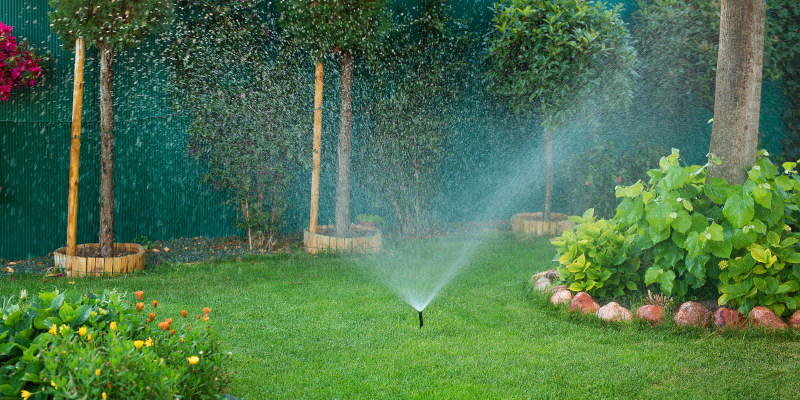
When we troubleshoot automatic irrigation systems, we look beyond the obvious signs. A dry patch may not simply mean a sprinkler head is broken. It could point to poor spacing, low pressure, clogged nozzles, root interference, or changes in the landscape over time. The goal is to approach the system like a puzzle and determine what’s really causing the issue before recommending a repair or adjustment.
A properly evaluated system can help with several important concerns:
- More Consistent Coverage. Automatic irrigation should support healthy growth across your lawn and landscape without leaving some areas too dry and others oversaturated.
- Better Water Efficiency. When zones, heads, and timing are adjusted correctly, your system can provide the right amount of water without unnecessary waste.
- Healthier Trees and Plantings. We take a tree-friendly approach and work carefully around roots so the system supports your landscape without harming important established growth.
- Fewer Surprise Problems. Regular system checks can reveal leaks, pressure issues, misaligned heads, or damaged components before they create larger concerns.
The best automatic irrigation system isn’t just convenient. It’s responsive to your property’s layout, your landscape’s needs, and the conditions that change with the seasons. At Laurdane Associates, we bring experience, careful observation, and practical troubleshooting to automatic irrigation systems so your yard gets the support it needs throughout the warmer months.